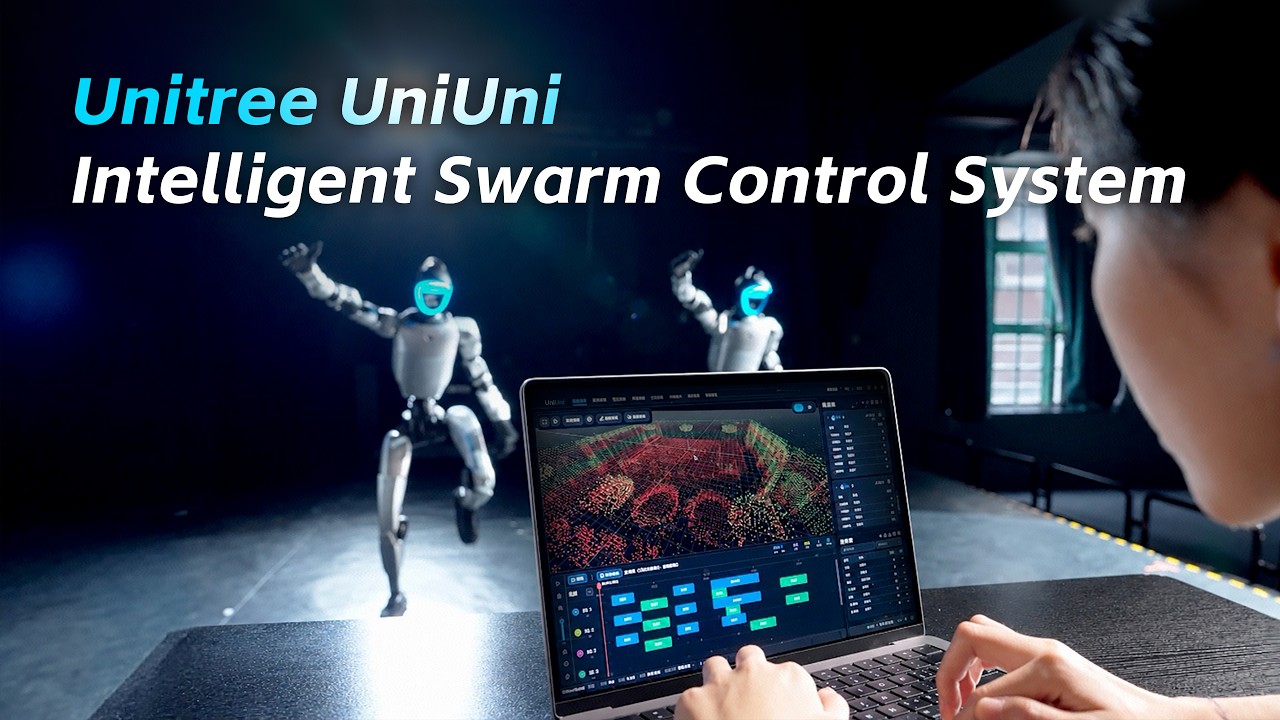
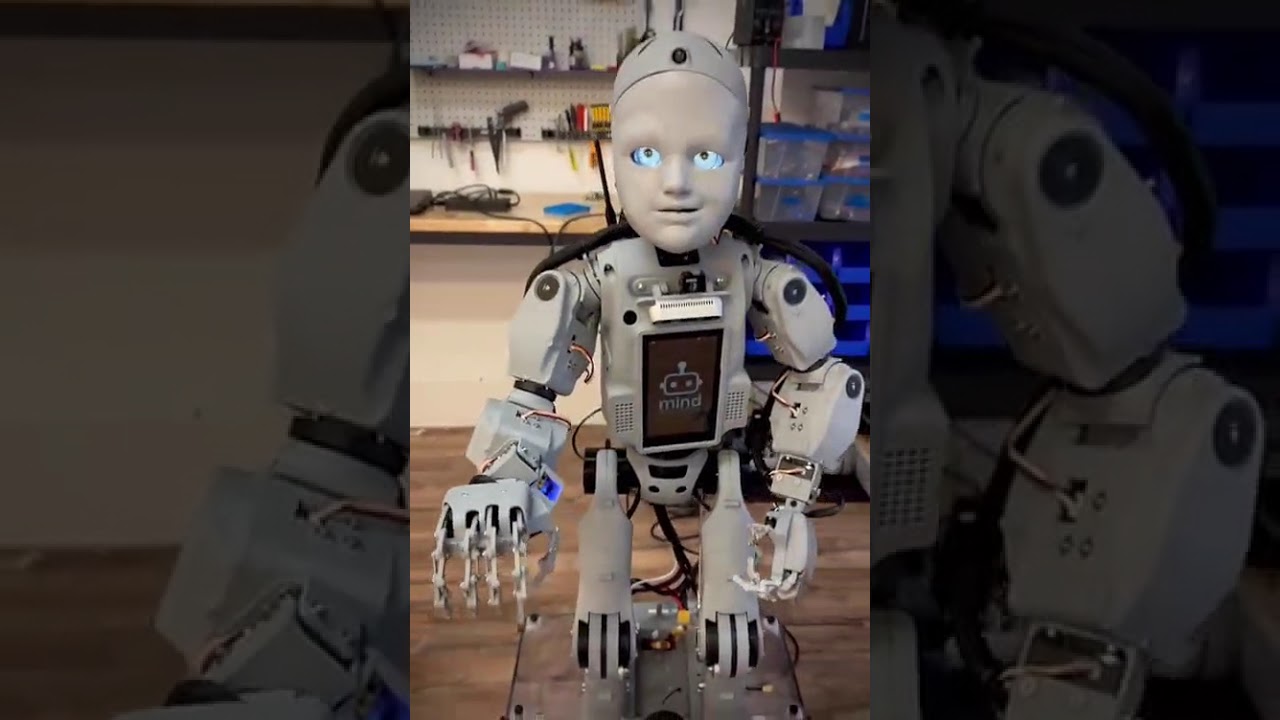
















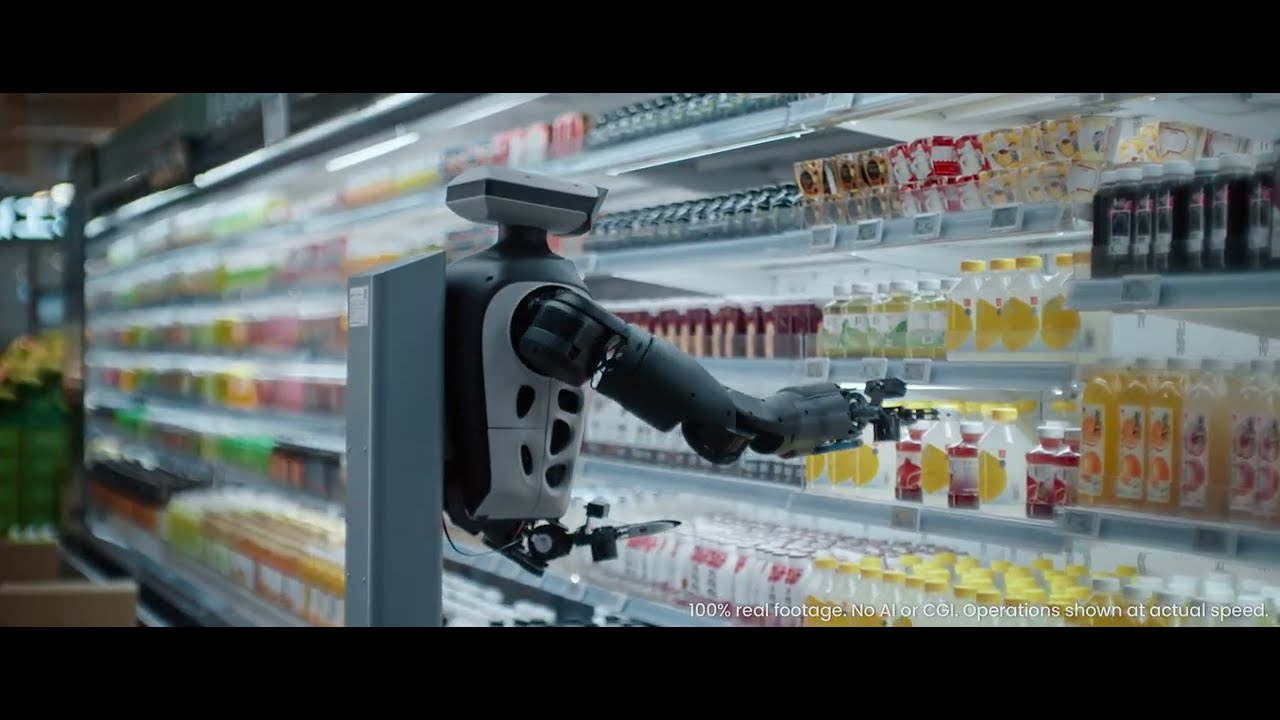


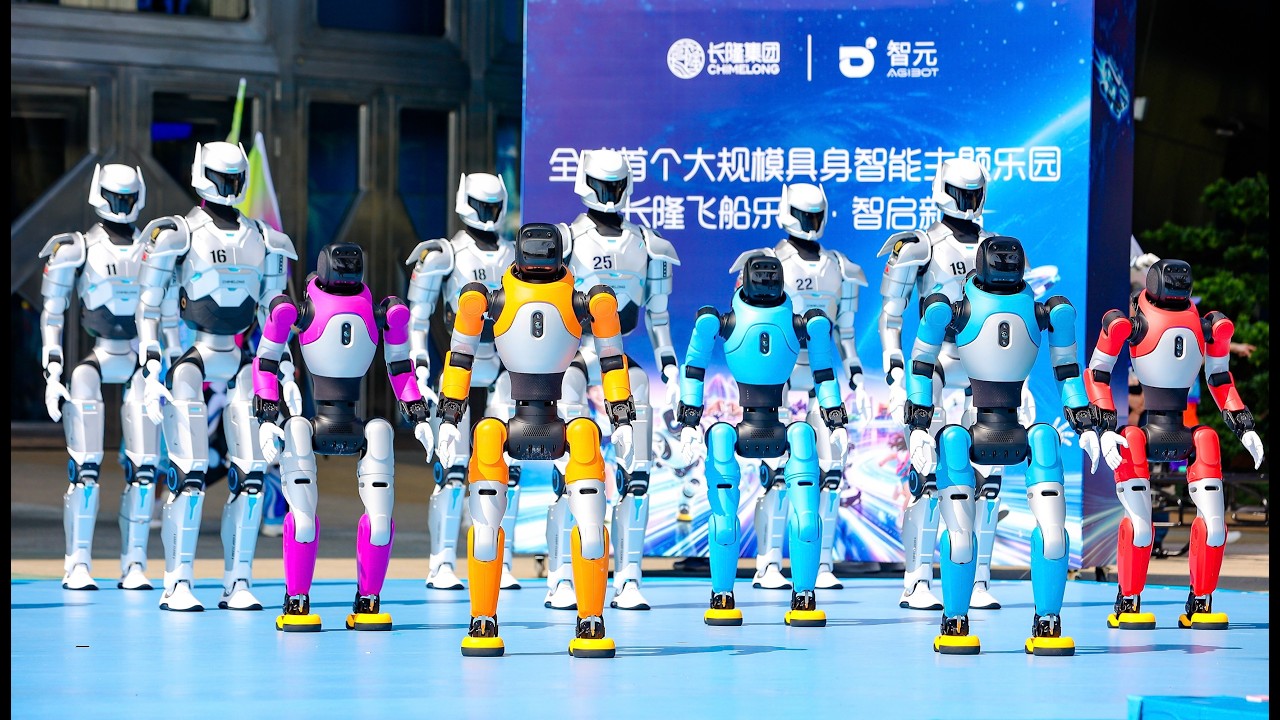




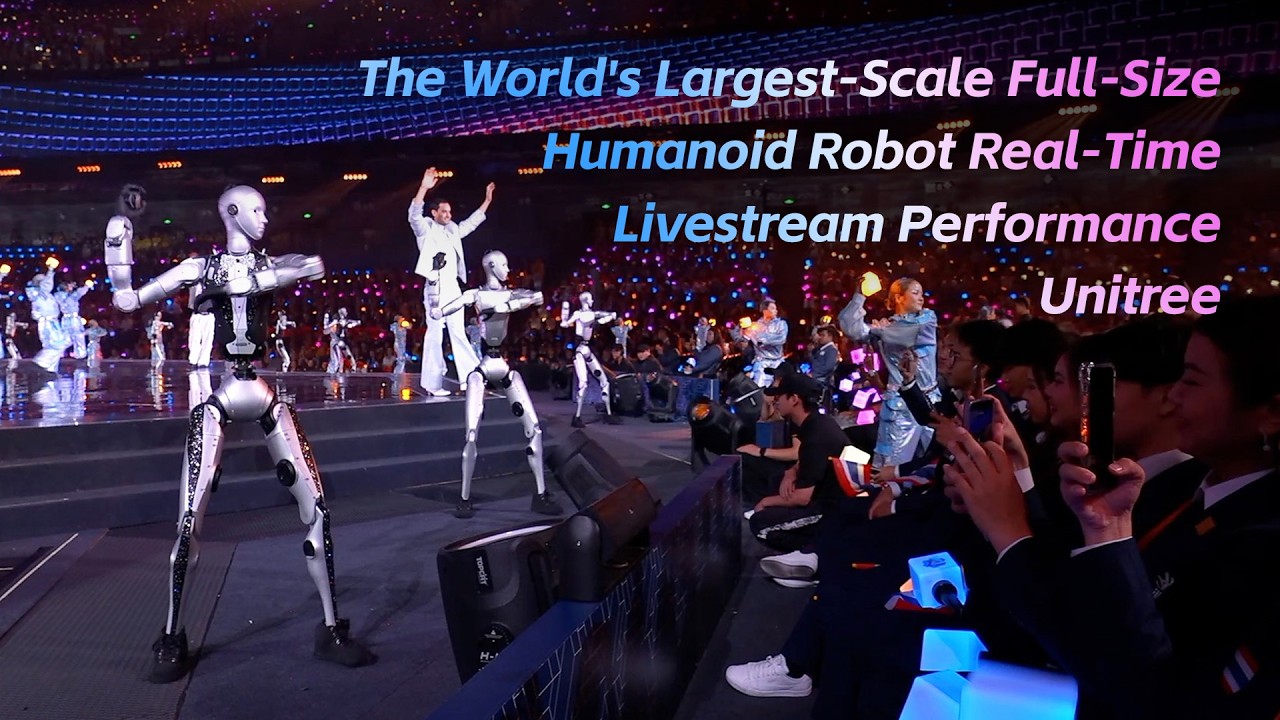









A Danish humanoid robotics startup is now training a Unitree G1 robot to perform real-world supermarket shelf restocking — the kind of repeatable, customer-facing task that marks the next phase in the commercialization of general-purpose humanoids.
From pasta to canned goods, HIVE Robots is conducting supervised training sessions with a Unitree G1 humanoid (internally dubbed “Danni”) inside an active føtex supermarket. The goal is not flashy demos, but reliable handling of everyday grocery products that everyday shoppers take for granted.

Supermarket Restocking Is No Longer Just About Picking and Placing
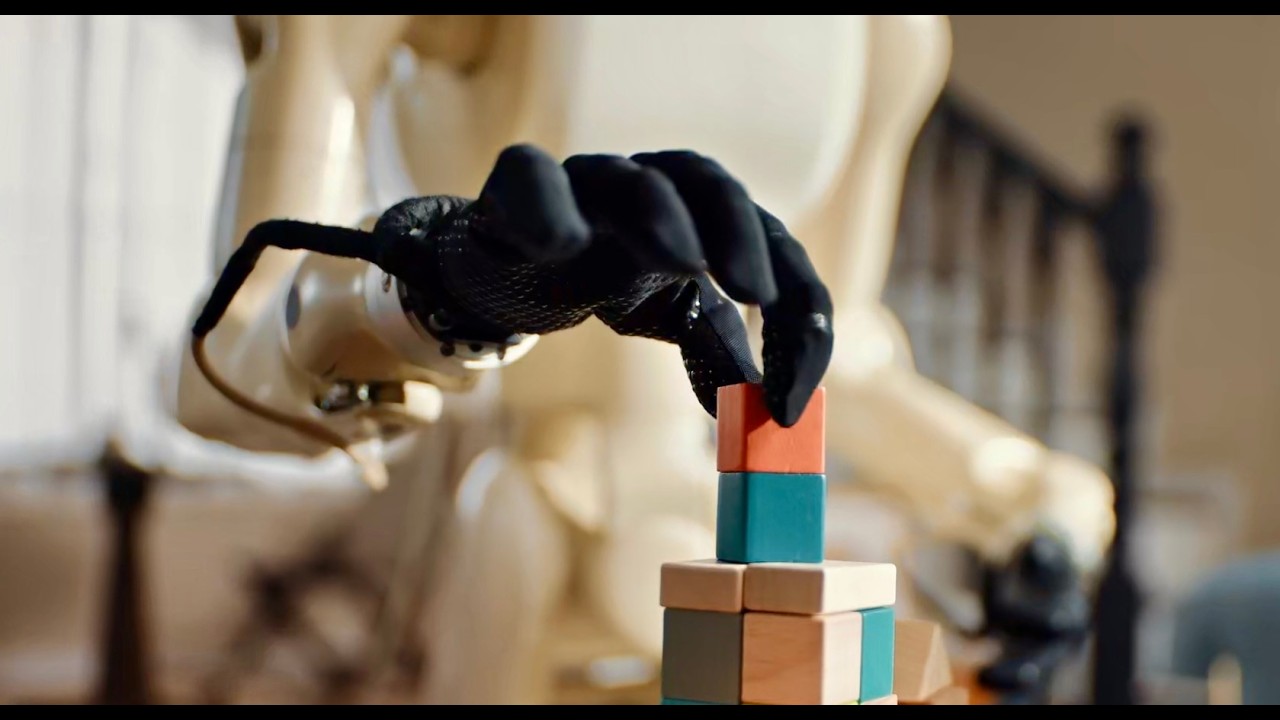
Restocking involves more than grasping an object. The robot must approach, establish a reliable grip, position items precisely without disturbing neighbors, and release them cleanly. Rigid cans, soft packaging, tall bottles — each presents unique challenges in perception, manipulation, and placement.
Product variety is the central difficulty. A single successful system must adapt across bags, boxes, cans, bottles, and dozens of SKUs. HIVE’s current work remains fully supervised: human operators guide the robot through difficult cases using the company’s teleoperation platform Heimdall.
HIVE & føtex Partnership Targets Overnight Restocking
In March 2026, HIVE Robots announced a multi-year collaboration with the Danish retailer føtex. The partnership focuses on operating robots in stores when they are closed to customers — the perfect time for independent replenishment.
Training has been underway since June. HIVE has publicly targeted early 2027 for the first independent overnight restocking shifts. The timeline is ambitious but realistic for a company that offers robots on an hourly service basis rather than forcing retailers to manage their own fleets.
Key advantages of HIVE’s model:
• Remote operators (via Heimdall) step in when the robot needs help
• Store staff can select products via a simple mobile app using photos and shelf maps
• Future capabilities: expiration-date checks, empty-shelf detection, misplaced-product identification
Reach Limitations & the Next Robot
The Unitree G1’s height restricts access to some lower and middle shelves — a known constraint the company openly acknowledges. HIVE has already identified its taller successor, the Unitree H2 (internally “Frankie”), which is scheduled to begin work in November 2026. Using two different robot bodies with the same software stack could solve reach issues while maintaining consistent operation across store layouts.
From Training to Real Operations
This project represents one of the more commercially grounded stages in humanoid robotics. Success will depend on repeatability, error recovery, safe human–robot interaction, and performance across changing inventories and shelf configurations — all in a 24/7 environment with minimal human oversight.
Until that point, each new product-handling trial is a deliberate step toward the company’s stated goal: not just demonstrating that a robot can reach a shelf, but that it can contribute reliably to a retailer’s overnight replenishment workflow.
Early 2027 remains a target, not a guarantee. Yet the momentum HIVE is building — combining advanced hardware, intelligent teleoperation, and a retail-friendly service model — makes this one of the more credible paths toward autonomous humanoid operations in the grocery sector.